
Pay transparency in the EU: from 2026, the way companies talk about work is changing
Pay transparency will be one of the central issues for companies and HR in the coming years.
With Directive (EU) 2023/970, which Member States will have to transpose by 7 June 2026, Europe is introducing new rules to strengthen equal pay and to make pay criteria within organisations clearer and more accessible.
According to Eurostat, the gender pay gap in the EU today still stands at around 12.7% — a figure that highlights how the issue of fairness is increasingly strategic, not only from a regulatory standpoint but also a cultural and reputational one.
The Directive calls for greater transparency in recruitment processes, access to pay information and reporting obligations for larger organisations. These are changes that will lead many organisations to review HR policies, evaluation criteria and people-management models.
Mandatory reporting on the gender pay gap
Companies with more than 100 employees will be required to report data on the gender pay gap periodically
The deadlines are:
- every year for companies with at least 250 employees, from 2027;
- every 3 years for companies with 150–249 employees, from 2027;
- every 3 years for companies with 100–149 employees, from 2031.
The reports will have to include data on:
- average pay differences;
- pay distribution by quartile;
- bonuses and variable pay;
- the presence of men and women at different company levels.
- Mandatory audit in the event of a gap above 5%
If an average pay gap of 5% or more emerges that cannot be justified by objective criteria, the company will have to launch a pay audit together with workers’ representatives.
The aim will be to identify the causes of the gap and define concrete corrective actions.
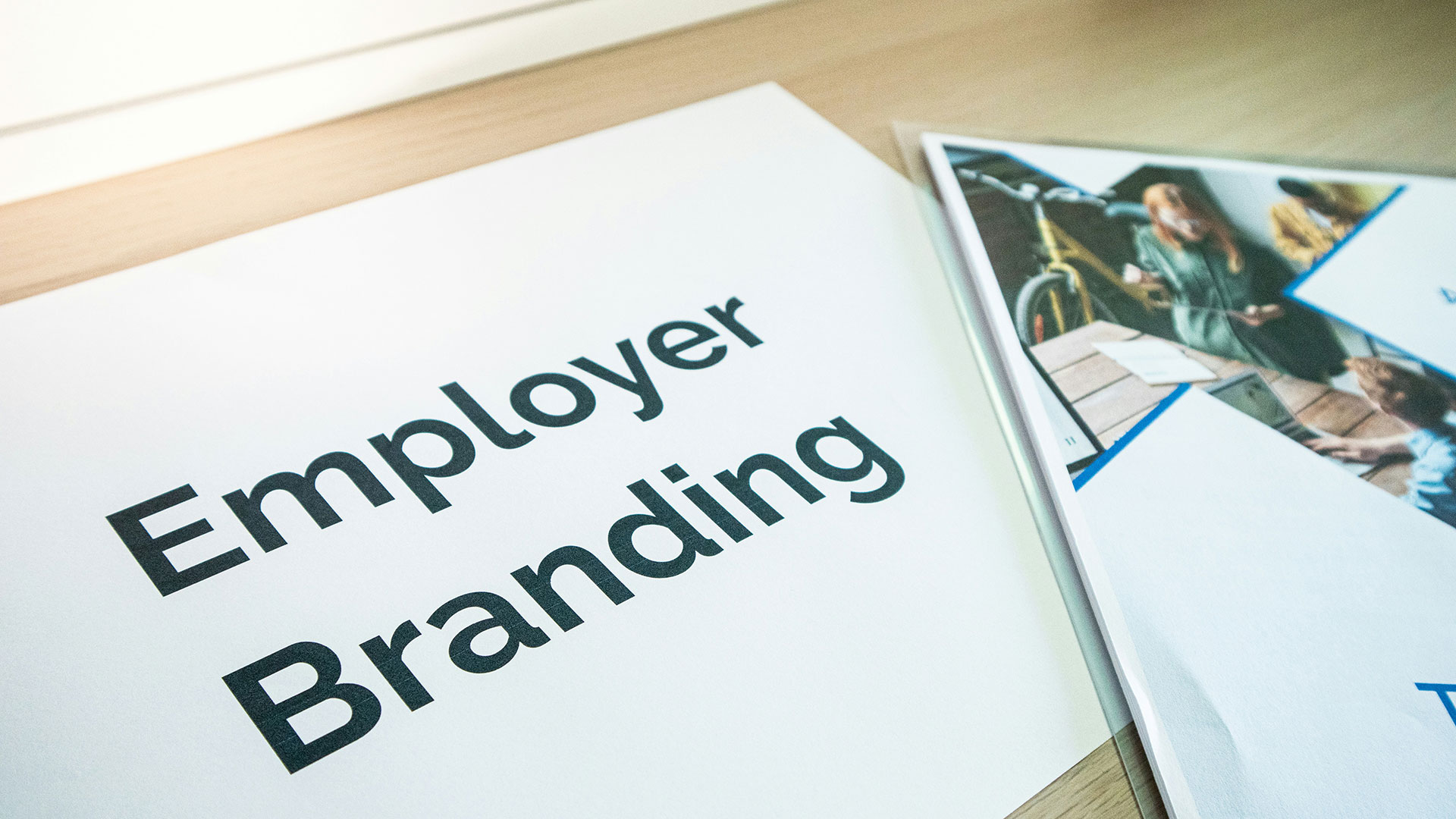
Pay transparency, employer branding and communication: a new opportunity for brands
But the real point is another: pay transparency is not only about compliance — for brands it becomes a matter of positioning, a distinctive element of their identity.
Companies that manage to turn fairness, inclusion and transparency into a concrete organisational culture will be able to strengthen their employer branding, appeal and reputation.
Companies that manage to integrate these themes into their organisational culture will be able to strengthen:
employer branding;
appeal to new talent;
retention and a sense of belonging;
internal trust;
reputation with stakeholders, clients and partners.
In a labour market increasingly driven by values, trust and credibility, authentically communicating one’s approach to people becomes an integral part of brand strategy.
For this reason, internal and external communication will play an increasingly central role.
Companies that start working on these aspects today will have a concrete advantage tomorrow — not only in regulatory terms, but also in their ability to build stronger, more authoritative relationships that are consistent with a changing labour market.